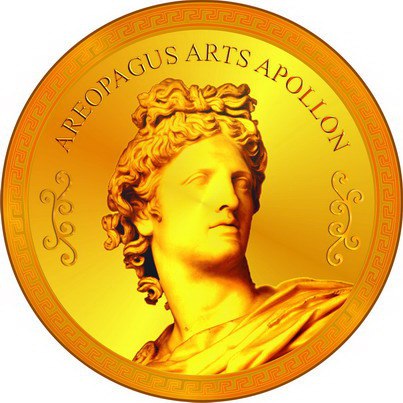
On the initiative of the International University of Fundamental Education, for the first time in Russian and world history, the International Areopagus of Arts ‘Apollo’ was held in St. Petersburg (October 2007). the International Areopagus of Arts ‘Apollo’ is being held, which, in accordance with its name, aims to consolidate the world’s most authoritative figures in the arts to determine the highest achievements in various types of art (literature, painting, theatre, cinema, ballet, etc.).
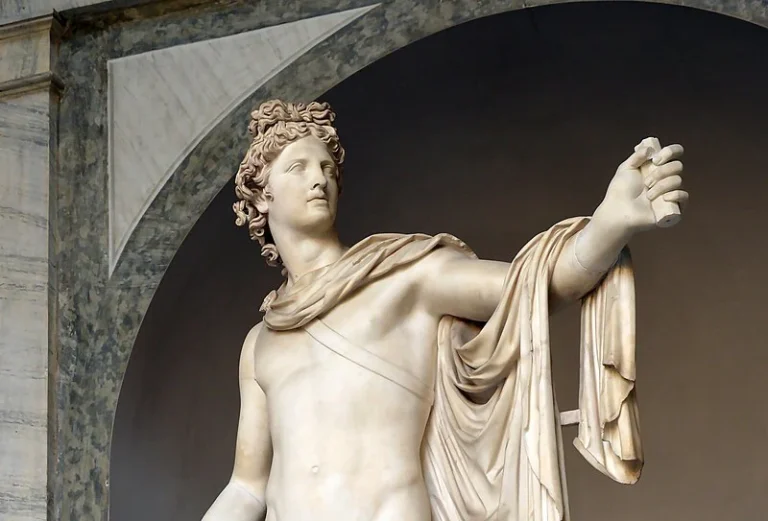
Apollo (Phoebus) is the Greek Olympic god, guardian of cosmic and human harmony, and bearer of light in life. The Greek language does not allow us to reveal the etymology of the name ‘Apollo’ (it most likely does not have Indo-European origins). The name ‘Apollo’ itself thus has an intercontinental meaning.
In Greece, the Delphic (Pythian) Games (6th century BC – 4th century AD) were held in honour of Apollo, the patron of the arts.
Apollo is a musician (kithara). He is the patron of singers and musicians, the inspirer and leader of the Muses (Euterpe – lyric poetry, Calliope – epic poetry, Thalia – comedy, Melpomene – tragedy, Terpsichore – dance, Clio – history, etc.). Apollo teaches people wisdom and various arts, puts an end to strife and gives strength to the people. Apollo is the organiser and coordinator in the field of morality and various types of art.
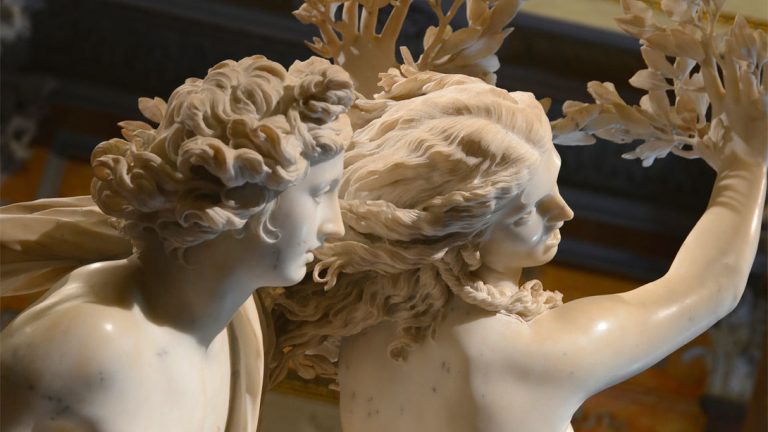
The first sculptures of Apollo date back to the 8th-5th centuries BC. The image of Apollo occupied a prominent place in the art of the Middle Ages, the Renaissance and other historical eras (painting, music, literature, etc.).
Areopagus – the highest judicial and political authority in ancient Athens (Greece). Allegorically, it is the highest spiritual court in the spiritual sphere, including art. A gathering of authoritative figures to decide important issues, including creative ones.
Apollo and the Areopagus are internally consistent in their basic functions and are in organic interaction. Apollo and Areopagus are symbolic concepts that are internationally known and recognised.
The Apollo International Areopagus of Arts organises and holds various creative events (concerts, performances, etc.) with the participation of artists from around the world.
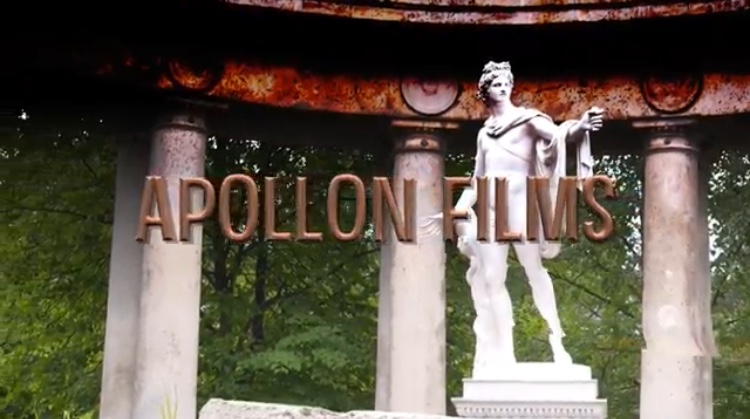
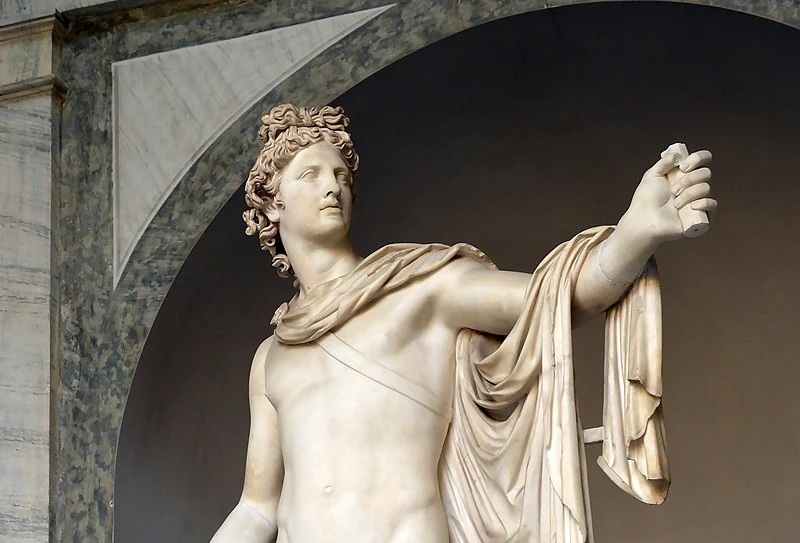
The authoritative jury of the Areopagus awards the Areopagus participants and other artists of the world for their high creative achievements with a statuette of Apollo (Belvedere) made of marble and plaster.
The award is given for individual types of artistic creativity. The main criterion for evaluating an individual work of art, an author’s creative work of a certain period or taken as a whole, as well as the activity of a representative of any art for a certain period or throughout their creative life, is the ability to strengthen and develop, with the help of art, the interaction of different peoples of the world, bearers and expressers of different cultures, for the benefit of all and everyone living on our troubled planet.
The International Areopagus of Arts ‘Apollo’, which is a public event, has been held once every two years since 2007 in different cities around the world, with the assistance of government bodies of various types and levels.
A special International Fund of the International Areopagus of Arts ‘Apollo’ is being created.
An initiative group, including representatives from various countries and organisations, forms the Organising Committee for the Areopagus and determines its composition and the composition of the Areopagus jury on the basis of the applications and proposals received. The jury may subsequently be elected by the members of the Areopagus.
Address of the Organising Committee of the Apollo Areopagus of Arts:
Russia, Saint Petersburg
www.apollon.me
About the Author